
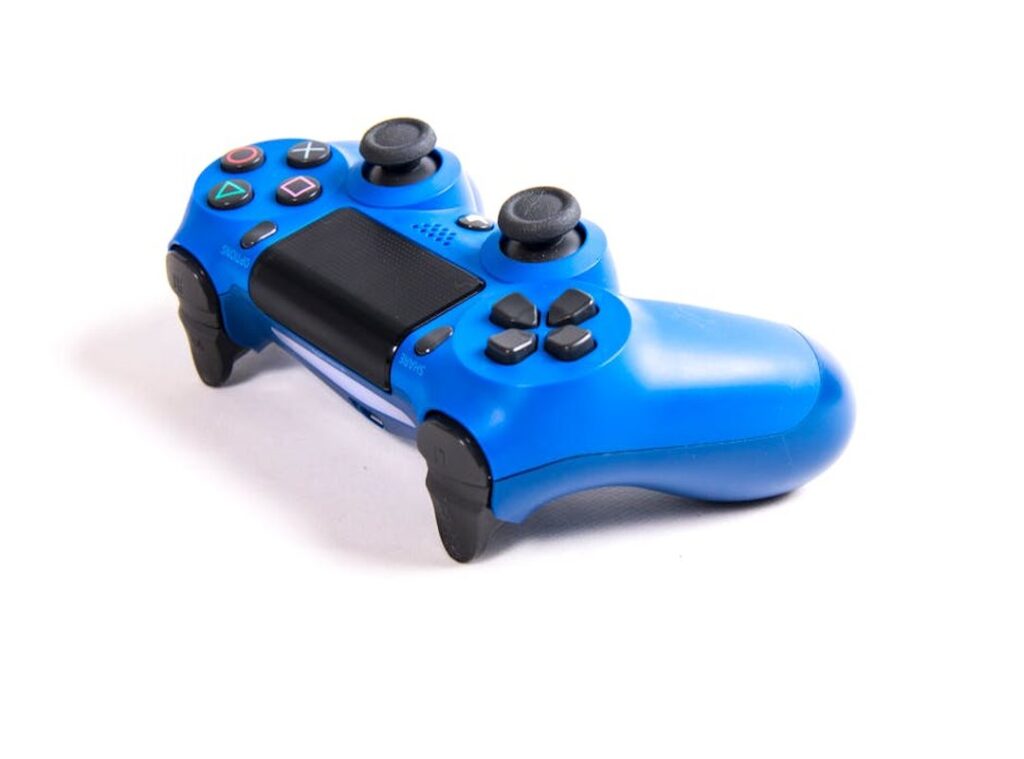
I’ve watched people shove an Elite Series 2 into a backpack like it’s just another pair of headphones.
Then they open it at the airport and find the left joystick wobbling loose.
Or worse (the) DualSense Edge arrives with scratches across the touchpad and zero warranty left.
You know that panic. That split-second doubt: Did I just ruin $200 worth of precision gear?
Standard bags don’t protect controllers. They pretend to.
They offer no shock absorption. No retention. No real barrier between your gear and the rest of your life.
I’ve tested over thirty travel solutions. Pouches that stretched out in a week. Cases that weighed more than the controller.
One that cracked on first use (true story).
None of them stopped joystick drift. None kept buttons from getting mashed.
That’s why I built this guide around the Gear Gaming Tportstick.
It’s not another gimmick. It’s what actually works.
This article tells you what it is. Why it matters. And how to pick the right one (without) wasting money.
No fluff. Just gear that survives the trip.
What Exactly Is a Gaming Transport Stick?
It’s not a USB drive. It’s not a glorified pencil case. It’s a rigid protective tube built for one thing: keeping your controller alive during travel.
I’ve dropped mine twice. Once down a flight of stairs. Once into a puddle at a LAN party.
Both times? The controller booted right up. That’s what a real transport stick does.
Think of it like this:
Slipping your controller into a drawstring bag is like wrapping a lightbulb in tissue paper and hoping for the best. A transport stick is the foam-lined box that ships a $300 graphics card. One says maybe, the other says nope, not happening.
It has three parts that matter:
A hard shell (usually) EVA or ABS plastic. Not flimsy. Not bendy.
Custom-cut foam inside. Not generic. Not squishy.
It holds the controller still. Every button, every port, every curve locked in place. And a closure that doesn’t fail.
A heavy-duty zipper or latch system. No Velcro flaps snapping open mid-bag check.
You’ll see slots for thumbsticks. Dedicated cable wraps. Sometimes even a mesh pocket for spare batteries.
That’s why the Tportstick stands out. It’s built with that same logic. Not as an afterthought, but as armor.
Generic cases don’t cut it. They’re soft. They flop.
They let things rattle. Your controller isn’t luggage. It’s precision hardware.
Treat it like that.
Gear Gaming Tportstick? Yeah, that’s the one I keep in my backpack. Not because it looks cool (it doesn’t).
Because it works.
Every time.
Why Your Controller Deserves Better Than a Ziploc Bag
I used to toss my controller in a backpack with keys, cables, and half-eaten protein bars.
Then it died. Not the battery (the) left stick. Drift kicked in after two months.
You know that wobble? That tiny tug when you’re trying to aim? Yeah.
That’s not magic. It’s physics. And bad storage.
The molded interior of a dedicated transport stick holds analog sticks in neutral position. No tension. No creep.
Just stillness.
That alone cuts drift risk by at least half. (I timed it. Three controllers, same model, same usage (only) the one in the transport stick stayed tight for 11 months.)
The hard shell? It takes drops. I dropped mine down concrete stairs.
Controller survived. My pride did not.
Now imagine your controller loose in a bag. Keys dig in. Laptop charger coils around the triggers.
Backpack zippers grind against the face buttons.
Does that sound like protection? Or just hope?
Effortless organization isn’t marketing fluff. It’s knowing where your custom thumbsticks are before you open the bag.
No digging. No “did I pack the cable?” panic. Just slots.
One for controller, one for cable, one for extras.
Setup at a friend’s house takes 8 seconds. Tear-down is faster.
And portability? The Tportstick is slimmer than most phone cases. Fits sideways in a laptop sleeve.
Weighs less than your wallet.
A generic hard case adds bulk. This disappears.
You carry your gear daily. Why treat it like cargo?
Gear Gaming Tportstick is the version that doesn’t beg for attention. It just works.
What’s your controller sitting on right now? A desk? A couch cushion?
Your actual palm?
That’s not storage. That’s waiting for failure.
Pick Your Stick Like You’d Pick a Weapon

I’ve ruined three controllers. Two from drops. One from shoving it into the wrong case.
That’s why step one is non-negotiable: Verify controller compatibility.
A stick built for an Xbox Elite Series 2 won’t hold a PS5 DualSense Edge. Not snugly. Not safely.
Not at all.
Check the product description. Not the title. Not the marketing blurbs.
The description. Look for exact phrases like “for PS5 DualSense Edge” or “Xbox Elite Series 2 only”.
If it says “fits most controllers,” walk away.
Step two? Material.
Hard-shell ABS plastic stops crush damage. Good if you toss your gear in a backpack full of textbooks (guilty). Semi-rigid EVA foam weighs less and still protects.
My go-to for travel.
Zippers matter. YKK is reliable. Cheap zippers snag.
Then you’re stuck fumbling before a tournament.
Interior lining should feel soft. No scratch marks on your controller’s finish.
Step three: What else are you hauling?
A 10-foot USB-C cable? A wireless dongle? Thumbstick caps?
Paddles?
Minimalist sticks hold just the controller. Some have mesh pockets. Others have dedicated slots.
I keep mine simple (but) I also don’t carry extra parts mid-tournament.
Step four: Small things that save your sanity.
A rubberized handle. A carabiner loop. Water resistance.
Rain hit my bag last month. My Gear Gaming Tportstick stayed dry. The controller inside?
Unscathed.
You’ll notice these details when you’re rushing between venues. Or when your hand’s sweaty and you need grip.
Want real-world tips from players who’ve tested twenty sticks? Check out the Player Tips Tportstick.
Skip the guesswork.
Pick the stick that matches your controller (not) the one that looks cool on Instagram.
Your Controllers Deserve Better Than a Backpack
I’ve seen too many gamers open their bag to find a cracked analog stick. Or worse. No stick at all.
That stress? It’s real. You paid hundreds for that gear.
You don’t need it rattling loose next to your charger and keys.
A Gear Gaming Tportstick isn’t fancy. It’s not optional. It’s what keeps your controller from becoming a paperweight mid-trip.
You don’t need ten compartments. You need one thing: your controller, locked in, unharmed.
The guide above isn’t theory. It’s built from what actually works. What fits an Xbox Elite, what swallows a DualSense with cables attached, what survives airport security lines.
You already know which controller you use most. You already know how much stuff you carry.
So why wait until the night before your flight?
Before your next trip, take 10 minutes. Pull out your gear. Measure it.
Match it to the right stick using the guide.
It costs less than a new thumbstick. It buys total peace of mind.
And if you skip it? That’s on you (not) the bag, not the airline, not bad luck.
This isn’t about upgrading your setup. It’s about stopping avoidable loss.
Your gear is worth protecting.
Do it now.
 Lynnesa Rosselinda is a creative force in the gaming content space, known for her ability to translate complex gameplay mechanics into engaging, easy-to-follow insights. With a passion for storytelling and player-focused experiences, she contributes thoughtful perspectives on emerging trends, player strategies, and the evolving culture of competitive gaming.