If you’re trying to climb the ladder this season, understanding the current horizon ranked play trends isn’t optional — it’s essential. The meta has shifted, and players who fail to adapt are quickly outpaced by optimized team comps, refined weapon loadouts, and smarter macro decisions. This guide breaks down the dominant strategies, top-performing character picks, and must-use loadouts shaping competitive matches right now. Built on data analysis, high-level gameplay reviews, and emerging tournament patterns, this article gives you a clear, actionable blueprint to exploit the meta and gain a measurable edge in your ranked grind.
The New Trinity: Dominant Legend Compositions & Synergies
The Aggressive Meta
The classic rush-down trio—Wraith, Octane, Pathfinder—is built on verticality and velocity. Their tactical abilities stack into relentless forward pressure: portals for resets, jump pads for instant gap-closing, ziplines for high-ground theft. It feels unstoppable (and sometimes it is). But here’s the contrarian take: hyper-aggression wins highlights, not always tournaments. Over-commit once, and coordinated teams punish the dive.
The Control Meta
Wattson, Caustic, Catalyst define late-game authority. Fences, gas, ferrofluid—layered denial that turns final circles into fortresses. In competitive play, zone control compositions historically post higher average placement rates (EA ALGS data). Critics call it “boring.” Yet trophies aren’t flashy; they’re earned by locking doors and forcing enemies into bad pushes.
- Strength: Endgame inevitability
- Weakness: Slow rotates
The Hybrid Meta
Bloodhound, Bangalore, Horizon blends recon, cover, and vertical burst. It thrives in early skirmishes and adapts late. Notably, horizon ranked play trends show sustained pick stability due to lift-based repositioning. Balanced doesn’t mean bland—it means optionality (a luxury in tight circles).
Pick Rate vs. Win Rate
Most-picked doesn’t equal most-winning. High pick rates inflate loss percentages. Underused control Legends often post stronger win efficiency. Pro tip: Track win rate per comp, not per Legend, to exploit undervalued synergy.
Arsenal Supremacy: The Definitive Weapon Loadouts for Season X
Close-Quarters Kings
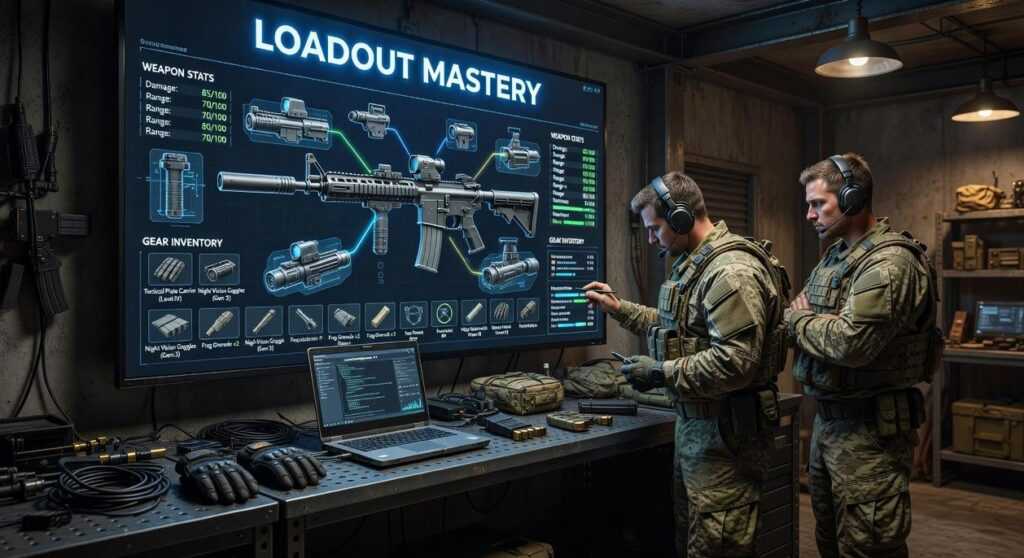
Right now, Volt and Mastiff sit comfortably in S-Tier—and I don’t say that lightly. The Volt’s blistering time-to-kill (TTK)—a metric that measures how fast a weapon downs a full-health enemy—makes it unforgiving in tight corridors. Pair that with elite hip-fire accuracy (shooting without aiming down sights), and it’s a tracking monster. The Mastiff, meanwhile, punishes bad positioning. One clean pump can flip a fight instantly (yes, it feels a little unfair). Some argue SMGs are too forgiving this season, but if you’re missing shots, no TTK chart will save you.
Mid-Range Masters
The R-301 vs. Flatline debate is basically the Messi vs. Ronaldo of Assault Rifles. The R-301 offers laser-like recoil control, making it ideal for controller players who benefit from aim assist stability. The Flatline hits harder per bullet, rewarding mouse/keyboard players who can manage recoil manually. In my experience, consistency beats raw damage in ranked.
| Weapon | Strength | Best For |
|————|———————-|———————–|
| R-301 | Low recoil, stable | Controller precision |
| Flatline | High damage output | Aggressive fraggers |
These trends mirror what we’re seeing in horizon ranked play trends.
Essential Attachments
A purple magazine fundamentally alters fight pacing—more bullets, fewer reload deaths. A 2x optic balances clarity and recoil tracking. Don’t sleep on stocks; faster ADS time often decides mirror duels.
Secondary Weapon Strategy
A Wingman gives ranged finishing power; a Peacekeeper dominates door fights. I firmly believe your secondary should cover your primary’s weakness. For broader context, check horizon competitive scene major updates and meta shifts this season.
Strategic Rotations: How Top Players Control the Map
Let’s start with the early game. The “Edge” drop means landing on the outskirts to loot safely and rotate inward later. The “Zone” drop puts you near the center circle for early positioning. Edge is safer but slower; Zone is risky but rewards you with priority real estate. Personally, I prefer Edge in ranked—LESS CHAOS, MORE CONTROL. Critics argue central drops build better fighting reps. Sure. But in competitive lobbies, survival and smart pacing beat ego-challenges every time.
Mid-game is where matches are won. “Clearing a quadrant” means methodically wiping or scouting one section of the map before rotating. Recon abilities (tools that scan future circles or reveal enemies) are essential here. Using them to plan fast, safe rotations isn’t passive—it’s efficient. Some say this slows momentum. I disagree. In horizon ranked play trends, calculated rotations consistently outperform random edge crashes.
Late game? It’s all about the “God Spot”—a dominant high-ground or fortified position in final circles. Think Avengers holding Wakanda’s walls (yes, that energy). Secure it early, defend it smartly, and force others to fight uphill. Pro tip: prioritize cover AND sightlines, not just height.
For deeper breakdowns, check out competitive rotation analysis.
Esports Influence: How Pro Play is Shaping Your Ranked Lobbies
Watch any major tournament and you’ll notice it fast: tight rotations, unexpected Legend pairings, and near-perfect timing. Those same moves are now creeping into your ranked games thanks to horizon ranked play trends. The upside? You can learn from the best without scrimming eight hours a day.
Trickle-Down Tactics mean strategies tested on stage get copied in high-level queues. When pros popularized edge rotations and double-scan comps, ranked players followed. That gives you a blueprint.
Here’s how to benefit:
- Adopt simplified comps – Run one anchor Legend and one mobility pick instead of full meta stacks.
- Practice timed rotations – Move with ring two, not ring three (small change, big LP gains).
- Communicate one clear win condition – Even basic focus-fire wins fights.
Worried everyone’s copying pros? Good. Recognizing a coordinated push lets you counter with spacing and crossfire. Spot the pattern, break the rhythm, and climb smarter—not harder.
Your Blueprint for Ranked Dominance
You came here to understand what truly drives success in horizon ranked play trends, and now you have the blueprint. From dominant team compositions to optimized weapon loadouts and smarter map control, you’re no longer guessing—you’re executing with intention. The frustration of inconsistent placements and unpredictable losses stops when you apply proven meta insights that give you control over every engagement.
In your next match, lock in the Hybrid Meta composition and prioritize a strong late-game position early. Watch how quickly your squad’s coordination, confidence, and results improve. Ready to climb faster and win smarter? Put this strategy to work now and dominate your next queue.
 Kylor Xevandor