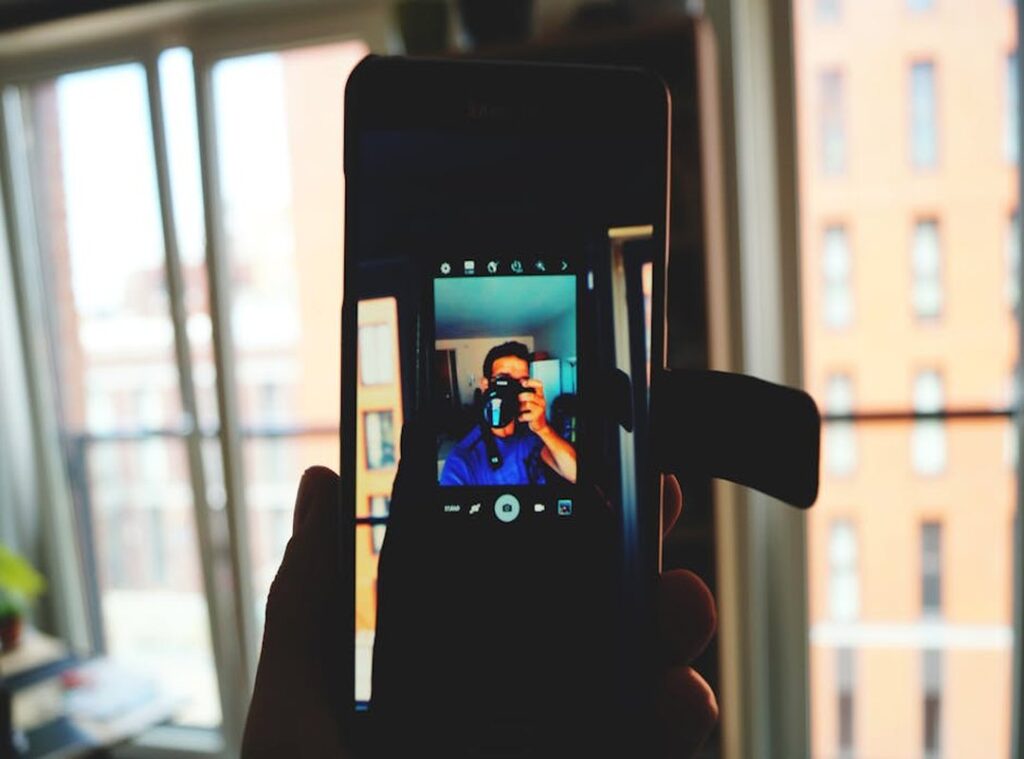
Taking a Bashid McLean selfie of head no blur is more than just snapping a photo. It’s about capturing the essence of the person. Poor lighting, unflattering angles, and blurriness can ruin a good shot.
But with the right techniques, you can get it right.
Do you know what makes a headshot stand out? It’s clarity and professionalism. I’ve seen too many blurry, poorly lit photos that just don’t do anyone justice.
Let’s fix that.
I’m not here to waste your time. I’ll give you practical tips and step-by-step instructions. You’ll learn how to set up your shot, adjust your camera, and find the best angle.
Trust me, I’ve been there. I’ve taken my fair share of bad photos. But over time, I’ve learned what works and what doesn’t.
And I’m sharing that knowledge with you.
So, are you ready to take a headshot that looks professional and clear? Let’s dive in.
Understanding the Basics of Photography
Photography can be a bit like cooking. You need the right ingredients and the right timing to get that perfect dish. In photography, those key elements are EXPOSURE, COMPOSITION, AND FOCUS.
Exposure is like the heat in your oven. Too much or too little can ruin your photo. Composition is how you arrange the elements in your frame—like setting the table for a meal.
And focus? That’s making sure the main subject is sharp, just like the star dish on your plate.
Now, let’s talk about camera settings: ISO, APERTURE, AND SHUTTER SPEED. Think of ISO as the salt in your recipe. A little goes a long way.
Aperture is like the size of your pot. A wide aperture (small f-number) lets in more light, just like a bigger pot holds more water. Shutter speed is the time you leave the food in the oven.
A fast shutter speed captures quick moments, while a slow one lets in more light, like leaving the food in longer to cook.
Lighting is everything, and it’s like the sun in your garden. NATURAL LIGHT can make your photos look vibrant and alive.
ARTIFICIAL LIGHT, on the other hand, can add a different mood, like a cozy lamp in a dark room. bashid mclean selfie of head no blur
Mastering these basics will help you take better photos. Just remember, practice makes perfect. Keep experimenting and see what works best for you.
Choosing the Right Equipment
Camera Selection: DSLR vs, and mirrorless vs. Smartphone cameras.
I get asked this a lot, and which one is best? The truth is, it depends on what you need.
DSLRs are solid and reliable, but they can be bulky. Mirrorless cameras offer similar quality in a smaller package. And let’s not forget smartphones.
They’ve come a long way, and for quick shots or social media, they’re more than capable.
Lenses: The importance of using a prime lens for headshots.
Prime lenses are a game-changer. They provide sharper images and better low-light performance. If you’re serious about headshots, invest in a good prime lens.
It’ll make a huge difference in the quality of your photos.
Tripods and Stabilizers: Why stability is crucial for a clear, sharp image.
Stability is key. A shaky hand can ruin a great shot. Tripods and stabilizers help keep your camera steady, especially in low light.
Don’t skimp on this. Even a basic tripod can save you from blurry, unusable photos.
bashid mclean selfie of head no blur
In the end, the right equipment depends on your specific needs. But with the right tools, you can take your photography to the next level.
Setting Up the Perfect Environment
Start with an anecdote about how I once had a video call where my background was a mess. It was so distracting that I couldn’t focus, and neither could the person on the other end. That’s when I realized the importance of a simple, non-distracting background.
Choose a neutral, clean backdrop. A plain wall or a tidy, minimalistic setting works best. This keeps the focus on you and not what’s behind you.
Lighting is key. Natural light is great, but it’s not always reliable. I use a ring light and a softbox to get consistent, flattering lighting.
Position them at 45-degree angles to avoid harsh shadows.
Positioning the subject is just as important. For Bashid McLean, we found that a slight angle (not straight-on) looks more natural and engaging.
Bashid McLean selfie of head no blur
Make sure the camera is at eye level. No one wants to see up your nose. And remember, a little tilt can make a big difference in how you appear on camera.
By keeping these tips in mind, you’ll create a setup that makes you look and feel your best.
Mastering Camera Settings for a Clear Headshot
ISO: Balancing sensitivity and noise. It’s all about finding the right level to get a clear, well-lit photo without too much grain.
Aperture: Achieving the right depth of field. You want your subject in sharp focus while the background gently blurs out. This makes your headshot stand out.
Shutter Speed: Avoiding motion blur and capturing sharp details. A fast shutter speed is key, especially if you’re not using a tripod.
Now, let’s talk about the settings that can make or break your headshot.
First, ISO. Keep it low when there’s plenty of light. But if you’re in a dimly lit room, bump it up.
Just be careful; high ISO can introduce noise, making your photo look grainy.
Next, aperture. Use a wide aperture (low f-number) to create a shallow depth of field. This means your subject will be in sharp focus, while the background gets a nice, soft blur.
It’s perfect for headshots.
Finally, shutter speed. Set it fast enough to avoid any motion blur. If you’re taking a selfie, like the [bashid mclean selfie of head no blur], a shutter speed of at least 1/125th of a second works well.
Pro tip: Always check your camera’s histogram to ensure the exposure is balanced. Overexposed or underexposed photos can ruin a great shot.
Oh, and don’t forget, once you’ve got your headshot, you might want to fine-tune your display settings for the best viewing experience. Check out the [best display settings for competitive gaming performance] for some tips on optimizing your screen.
Focusing Techniques for Sharpness
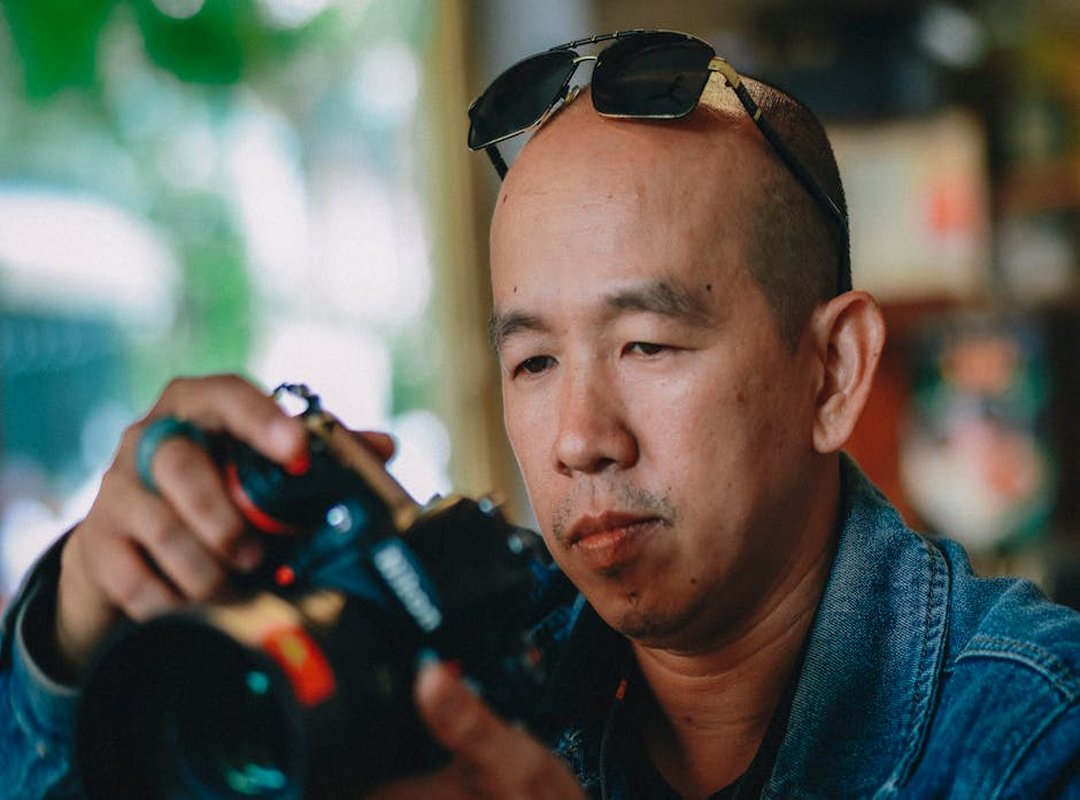
Autofocus vs, and manual Focus: When to use each. Autofocus is great for quick, on-the-go shots, especially when your subject is moving.
Manual focus lets you fine-tune and get that perfect shot, especially in low light or with tricky subjects.
Focus Points: Selecting the right focus point for the subject’s eyes. This is crucial for portraits. You want the eyes to be sharp because they draw the viewer in.
- Choose a single focus point.
- Place it over one of the subject’s eyes.
- Press the shutter halfway to lock the focus.
Continuous Shooting: Capturing multiple shots to ensure clarity. This is super useful for fast-moving subjects. It increases your chances of getting that one perfect, in-focus shot.
Bashid mclean selfie of head no blur.
Post-Processing for a Professional Finish
Editing Software: Let’s talk about the big players. Adobe Lightroom and Photoshop are the go-to tools for most photographers. They offer a ton of features, from basic adjustments to advanced retouching.
Basic Adjustments: Start with the essentials, and cropping helps you frame your subject better. Exposure tweaks can make or break a photo.
And color correction? It’s like giving your image a fresh coat of paint.
Advanced Techniques: Once you’ve got the basics down, it’s time to level up. Retouching can remove blemishes and smooth out skin. Sharpening adds that extra crispness.
And removing distractions—like that random branch in the background—can really clean up your shot.
Pro Tip: Use the bashid mclean selfie of head no blur as a practice image. It’s a great way to see how these adjustments can transform a simple selfie into a professional-looking photo.
Common Mistakes and How to Avoid Them
Poor composition can ruin a great shot. It’s like having a fantastic story but telling it in the most boring way possible. Avoid common framing errors by paying attention to how you place your subject.
Incorrect lighting is another big one. You might have the perfect angle, but if the lighting is off, it all falls apart. Learn to recognize and fix lighting issues.
Trust me, it makes a huge difference.
Blurry images, and they drive me nuts. Nothing kills a photo faster than a lack of sharpness.
Tips for maintaining sharpness and clarity: use a tripod, keep your hands steady, and don’t be afraid to bump up your shutter speed.
bashid mclean selfie of head no blur
And here’s a pro tip: always review your shots right after taking them. It saves you from a lot of headaches later.
Capturing the Perfect Bashid McLean Headshot
Taking a clear, distortion-free headshot requires attention to detail. Start with a proper setup, ensuring good lighting and a clean background. bashid mclean selfie of head no blur is your goal. Use the right camera settings, such as a high f-stop for a sharp focus.
Post-processing can enhance the image, but it’s crucial to get the shot as perfect as possible in-camera. Practice and experimentation will help you refine your technique and achieve stunning results.
 Joshua Grantoveda brings a sharp analytical mindset to the world of esports and gaming performance. Specializing in competitive breakdowns and strategic optimization, he focuses on helping players understand the deeper layers of gameplay, from decision-making patterns to setup efficiency, making him a valuable voice for gamers aiming to elevate their skills.