
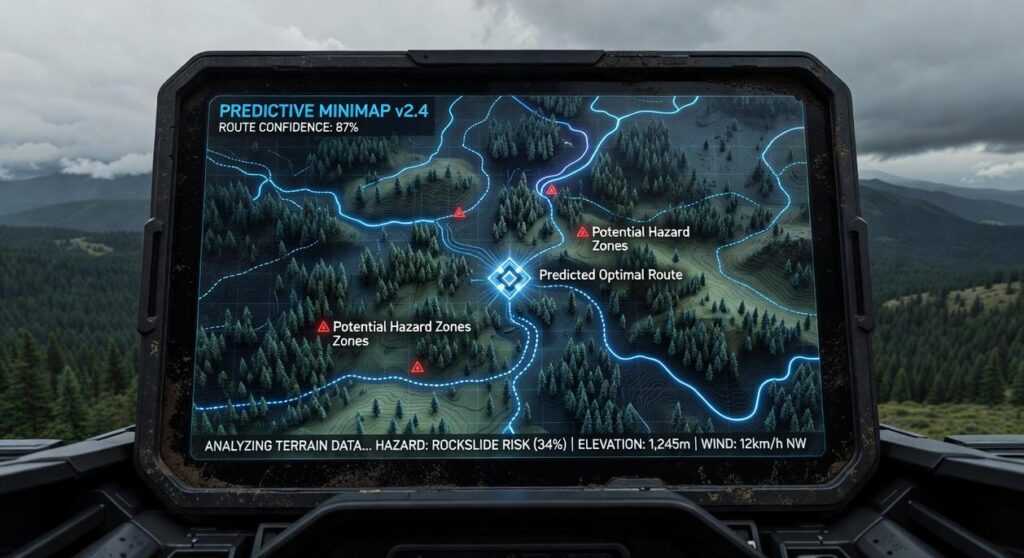
If you’re searching for smarter ways to dominate competitive matches, this guide is built for you. Players at every level know that mechanical skill alone isn’t enough—consistent wins come from smarter positioning, sharper rotations, and disciplined decision-making. That’s where map control strategies make the difference.
In this article, we break down how top competitors secure vision, manage space, and force opponents into unfavorable engagements. You’ll learn how to turn early-game advantages into objective control, apply pressure without overextending, and coordinate movements that keep your team one step ahead.
Our insights are grounded in in-depth match analysis, tournament breakdowns, and proven competitive tactics used in high-level play. Instead of vague tips, you’ll get practical, game-ready concepts you can apply immediately.
Whether you’re climbing ranked ladders or preparing for organized competition, this guide will help you understand not just what to do—but why it works.
From Map Glancer to Master Tactician
I used to blame my aim. In reality, I was losing winnable fights because I ignored the minimap. I’d chase kills, miss flanks, and rotate late (classic tunnel vision). The lesson? Information beats mechanics.
Map awareness means actively reading icons, timers, and fog-of-war patterns to predict movement. Pros treat the map like a second screen, not background art.
Start with map control strategies: track last-seen enemies, ping rotations, and sync pushes with objective spawns. Review your replays and pause before every death. Ask: what was the map telling me? Fix that, and wins follow.
The Pre-Match Blueprint: Mastering Maps Before You Load In
The best players don’t just grind ranked—they treat every map like it’s an open-book exam. Preparation is the real meta. Think of it like Doctor Strange studying every possible timeline before the final battle. Victory starts before you ever load in.
Out-of-game practice gives you the homework advantage. In custom lobbies or training modes, walk the map slowly. Study chokepoints (tight areas where teams are funneled into fights), sightlines (clear visual lanes for long-range engagements), and power positions (high-ground or cover-rich spots that tilt fights in your favor). This is where map control strategies quietly win rounds.
Break it down into simple reps:
- Identify three high-traffic funnels where early fights happen
- Test common engagement angles from both attacker and defender sides
- Time rotations between objectives without sprinting blindly
Next, analyze heatmaps and pro VODs. Watch where top players grab early picks, how they hug cover, and when they rotate. Notice patterns—pros rarely wander. They move with intention (no side quests).
Actionable tip: Create a one-page cheat sheet per map listing three key callouts, two flank routes, and the main objective rotation path. Keep it nearby. Study it like pre-game lyrics before a concert. Then queue up prepared.
Active Intel: Turning Your Minimap Into a Predictive Engine
Most players treat the minimap like a smoke alarm—they only look when something’s already on fire. That’s reactive play. Active intel means gathering and interpreting information before the explosion. (Yes, this is your “Minority Report” moment.)
Beyond Passive Glancing
Instead of random checks, build a rhythm. Every few seconds, glance with purpose. This turns scattered awareness into pattern recognition. Studies on skill acquisition show that repeated, timed scanning builds automaticity—what gamers call muscle memory (Ericsson, 1993).
The Triangle Scan Method
Create a constant three-point loop:
- Minimap – Who’s visible? Who’s missing?
- Crosshair – Are you positioned for the next threat?
- Ability cooldowns – Are you actually ready to fight?
This high-frequency cycle should feel automatic, like checking mirrors while driving. When mastered, it syncs naturally with your map control strategies and keeps you one beat ahead.
Interpreting “Last Known” Information
“Last known” refers to the last visible position of an enemy icon. If their jungler shows top river at 3:10, estimate travel time to mid or bot. Movement speed, terrain, and objective timers narrow likely paths. You’re not guessing—you’re predicting.
Reading the Negative Space
The real skill? Noticing what’s missing.
If two enemies vanish from lane, assume:
- A gank is brewing
- An objective is being set up
- A rotation is underway
Silence on the map is rarely peaceful. It’s the Jaws theme playing softly in the background.
Train your eyes to see absence as information. That’s when your minimap stops being decoration—and starts becoming a predictive engine.
Advanced Concepts in Map Dominance and Control
At higher levels of play, winning duels isn’t enough. What really separates coordinated squads from ranked chaos is how they manipulate space, timing, and information.
Controlling Spawns and Rotations
First, let’s define spawn control: influencing where opponents respawn after being eliminated. In shooters, teams like OpTic in Call of Duty have famously “flipped” spawns to trap enemies on weaker sides of the map (Call of Duty League data frequently highlights spawn traps as win conditions). Personally, I think this is where most players underestimate the game. They chase kills instead of asking, “Where will they appear next?”
Similarly, rotations—the paths players take between objectives—can be predicted and punished. If you hold key choke points, you’re not just reacting; you’re scripting the match.
Applying Lane Pressure
In MOBAs and tactical FPS titles alike, lane pressure means forcing attention in one area to create advantages elsewhere. Push A site hard, and defenders rotate. Suddenly, B is vulnerable (it’s basically chess with flashbangs). Some argue this is risky because overcommitting can backfire. True—but calculated pressure, backed by map control strategies, wins tournaments.
If you’re serious about team coordination, study how roles interact in how to build a winning team composition in tactical shooters.
Verticality, Sound, and Traps
Now, here’s my take: vertical awareness is criminally undertrained. Verticality refers to controlling high and low ground positions. Combine that with audio cues—like footsteps above you confirmed on the minimap—and you eliminate guesswork.
Finally, predictable rotations are opportunities. Set crossfires where enemies have to pass. When done right, it feels less like luck and more like setting a scene in a heist movie (except you’re the mastermind).
Synchronized Strikes: Communicating Map Info for Team Victory
Bad callouts lose rounds. “He’s over there” isn’t information—it’s noise. In fact, unclear comms force teammates to guess, and guessing gets you eliminated. Some argue that silence is better than clutter. However, bad info is worse than no info because it creates false confidence and mispositions defenders.
So here’s the competitive edge most teams overlook: structure.
- Ping the exact map location.
- Voice a concise callout: “Two players, rushing B main.”
- Action your intent: “I’m falling back.”
This “Ping–Voice–Action” protocol eliminates ambiguity. Moreover, it aligns instantly with map control strategies by pairing intel with response.
Next, practice information triage. Prioritize enemy ultimates, major rotations, and spike movement over minor damage tags. (Yes, your 20 damage matters less than a flanking duelist.)
Finally, create a shared lexicon. Agree on names for every corridor and corner. Think of it like Avengers assembling—everyone moves faster when they speak the same language.
Pro tip: review comms after scrims to spot vague phrasing.
Your next win starts when you choose to see more than the scoreboard. First, slow down and trust the Triangle Scan; then, layer in map control strategies to dictate rotations. In my view, awareness beats mechanics every time—think Batman with prep time. Start small, stay consistent, and watch momentum flip.
Level Up Your Competitive Edge
You came here to sharpen your understanding of Horizon’s evolving meta, tighten your rotations, and gain clarity on the tactics that separate average squads from champions. Now you have a clearer view of how smarter positioning, sharper decision-making, and refined map control strategies directly impact your win rate.
Falling behind in ranked matches, losing key objectives, or struggling to coordinate under pressure isn’t just frustrating — it’s the difference between climbing and staying stuck. The smallest tactical adjustments can completely change how your team performs in high-stakes moments.
The next step is simple: apply one new adjustment from this guide in your next session, review your gameplay critically, and refine your approach match by match. If you’re serious about dominating your lobbies, dive deeper into our tournament breakdowns, advanced strategy guides, and performance optimization tips. We’re trusted by competitive players who want real results — not recycled advice.
Stop leaving wins on the table. Study smarter, adapt faster, and put these insights into action today.
 Joshua Grantoveda brings a sharp analytical mindset to the world of esports and gaming performance. Specializing in competitive breakdowns and strategic optimization, he focuses on helping players understand the deeper layers of gameplay, from decision-making patterns to setup efficiency, making him a valuable voice for gamers aiming to elevate their skills.