
Competitive gaming evolves by the hour, and staying ahead means understanding more than just headlines. If you’re searching for sharper Horizon updates, smarter strategies, and real insight into esports performance, this article delivers exactly that. We break down the latest Horizon headlines, analyze tournament-defining plays, and uncover the tactical decisions that separate top-tier competitors from the rest.
Many players struggle not because of mechanics, but because they miss the deeper layers of decision-making—map control shifts, resource timing, and mid-match strategy adaptation that turns losing positions into statement wins. Here, you’ll find clear breakdowns of those pivotal moments, along with practical setup optimization tips to improve consistency and reaction time.
Our analysis is built on competitive match reviews, performance data, and close study of high-level tournament play. Whether you’re climbing ranked ladders or following the esports scene, this guide translates pro-level insights into actionable improvements you can apply immediately.
From blueprint to battlefield: why does your perfect plan collapse after first contact? Every gamer knows the sting of a meticulously crafted strategy unraveling in seconds. However, frustration alone won’t fix it. This guide offers a mental framework for decisive, real-time shifts—what pros practice as mid-match strategy adaptation. Top-tier esports players separate themselves through constant information gathering, rapid hypothesis testing, and calm pivots. Granted, no system guarantees wins; even analysts debate how much is instinct versus preparation. Still, reading tempo, economy, and positioning lets you counter effectively. According to 2023 Newzoo report, elite teams outperform through adaptability, not rigid scripts.
Every click, trade, and missed skill shot is data. The information advantage means processing it faster than your opponent. While most players obsess over flashy K/D/A lines, the scoreboard hides deeper truths. Gold totals signal economy gaps, item builds telegraph power spikes, and ultimate timers whisper when fights are unwinnable. Ignore that, and you are basically fighting Thanos without the Avengers (spoiler: it ends badly).
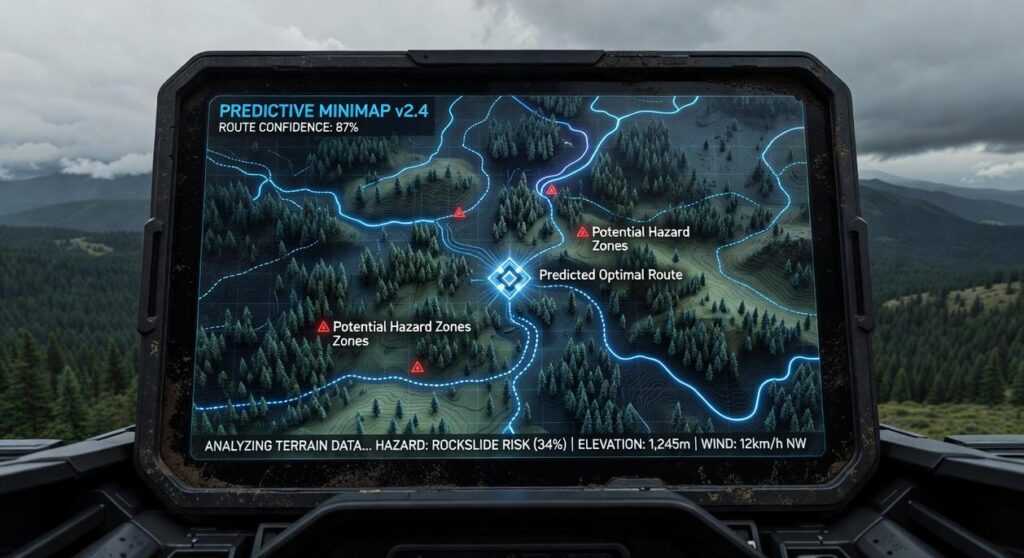
However, the minimap is your real main character. Treat it as your primary screen, because rotations reveal intent before damage numbers ever do. Track over-extensions, note vision gaps, and spot patterns in movement to anticipate the next play.
Meanwhile, objective control exposes win conditions. If a team stacks dragons or neutral bosses instead of towers, they are scaling for late-game fights. Contrary to popular belief, kills do not win games; pressure does. Therefore, mid-match strategy adaptation is less about mechanics and more about interpretation.
Some argue instinct beats analysis, and sometimes it does. Yet instinct is just compressed experience reading the same signals faster. Pro tip: glance at the minimap every five seconds, even during trades. In the end, the player who diagnoses reality quickest usually writes the final scoreline. Read the tea leaves early.
The Mid-Match Pivot: A Framework for Effective Adjustments
Great teams don’t just start strong—they adapt. Think of it like Doctor Strange scanning millions of timelines mid-battle. The difference between a comeback and a collapse often comes down to one thing: an If-Then mental model.
An If-Then mental model is a simple decision-making framework where you pre-plan responses to predictable scenarios. Instead of panicking, you react automatically and decisively. (Because hesitation in ranked feels like buffering during the final scene of a movie.)
This is the backbone of effective mid-match strategy adaptation.
Scenario 1: Adjusting Your Tempo
- If you are consistently winning fights, then accelerate the pace to deny recovery time.
- If you are losing fights, then slow down, defend vision, and force mistakes.
Tempo refers to the speed at which the game progresses—fast tempo pressures, slow tempo stabilizes. Like switching from a sprint to a chess match, knowing when to shift gears is everything.
Scenario 2: Shifting Your Win Condition
A win condition is the primary way your team closes out a game.
- If your main damage dealer is shut down, then enable a secondary carry or pivot to siege and objective play.
Dynasties survive because they adapt—remember when teams built entire comps around protecting one star? When that star falls, you need a Plan B.
Scenario 3: Countering the Enemy’s Star Player
- If one enemy dominates, then change target priority.
- Build specific resistances.
- Coordinate crowd control to neutralize them.
It’s the classic “Avengers vs. Thanos” problem. Focus fire wins fights.
Scenario 4: The Economic Adjustment
Economy means your gold, resources, and scaling potential.
- If you fall behind, then avoid direct fights.
- Trade objectives and apply side-lane pressure.
For deeper positional insight, review advanced map control strategies for competitive multiplayer games.
Pro tip: When behind, your goal isn’t hero plays—it’s controlled trades and time. Play smart, not cinematic.
Executing the Pivot: Turning Theory into Action
First, understand this: a silent adjustment is a failed adjustment. Clear pings and concise calls like “Focus Mercy first” or “Group for Dragon in 30” eliminate guesswork and instantly align five minds into one plan. The benefit? Faster reactions, fewer deaths, and cleaner objective control. In fast lobbies, clarity is a competitive advantage.
Next, mechanical confidence makes strategy real. If you can’t switch from aggressive dueling to defensive wave clearing on demand, even the smartest call collapses. Mechanical proficiency allows seamless mid-match strategy adaptation, which means you stay unpredictable and harder to punish (think of it like swapping playstyles mid-fight—very anime protagonist energy).
Finally, commit fully. Half-rotations and hesitant engages create split pressure and lost objectives. When everyone buys in, you gain tempo, map control, and morale. And tempo wins games.
Pro tip: make the call, repeat it once, then act immediately.
Last season, I called a timeout after our squad kept grouping mid. We thought we were dictating the map, but a savvy opponent rotated top and shredded our towers. That was my crash course in anticipating the enemy’s pivot: if they see you grouping, expect a split-push and set a trap. For example, fake pressure on Baron, hide two players, and collapse when their side-laner overextends. However, good teams adapt, so baiting and conditioning become essential. Show a predictable pattern, then pivot hard once cooldowns are burned (yes, it’s a little Jedi mind trick). This kind of mid-match strategy adaptation shifts tempo control in your favor. Instead of reacting, you force rotations, drain resources, and dictate pace. Some argue reactive play is safer; I’ve found proactive pressure wins series. Pro tip: track summoner spells like chess pieces, not panic buttons. Trust the read, then commit without hesitation or doubt fully.
Mastering the Art of the In-Game Shift
Winning more competitive matches comes down to one truth: static, rigid strategies get punished. Teams that refuse to adjust become predictable, and predictable gets countered. The solution is mid-match strategy adaptation—using real-time information to spot enemy patterns and cover your own weaknesses.
Why does this work? Because live data beats pre-game theory. If the enemy over-rotates, you split push. If they camp vision, you sweep and collapse. (Yes, it’s that practical.)
| Moment | Action |
| Death Timer | Study minimap 15 seconds |
| Lost Fight | Identify cooldown gaps |
Practice this next match: minimap 15 seconds after deaths.
Mastering Competitive Play with Smarter Strategy and Real-Time Adaptation
You came here to sharpen your competitive edge — to understand how smarter decisions, sharper mechanics, and better preparation translate into real wins. Now you have a clearer path forward.
The difference between average players and consistent winners isn’t just raw skill. It’s preparation, awareness, and the ability to execute mid-match strategy adaptation when pressure is at its peak. If you’ve ever felt stuck at a rank, outplayed in crucial moments, or overwhelmed by stronger opponents, you know how frustrating it can be to lose games you could have won with the right adjustments.
The solution is simple: refine your fundamentals, study high-level gameplay, analyze your mistakes, and actively apply mid-match strategy adaptation every time you queue up. Small tactical shifts can completely change the outcome of a match.
Now it’s your move. Dive deeper into our competitive breakdowns, apply these strategies in your next session, and start playing with intention instead of instinct. Thousands of competitive players rely on our insights to level up their gameplay — and you can too. Load into your next match prepared, confident, and ready to outthink the competition.
 Lynnesa Rosselinda is a creative force in the gaming content space, known for her ability to translate complex gameplay mechanics into engaging, easy-to-follow insights. With a passion for storytelling and player-focused experiences, she contributes thoughtful perspectives on emerging trends, player strategies, and the evolving culture of competitive gaming.