

I’ve seen a lot of confusion about snake poop, and it’s no wonder. It’s not exactly a topic you chat about at dinner parties. But if you have a pet snake, or even if you just want to know more, understanding bentuk tahi ular is pretty important.
You might be wondering why, and well, it’s all about your snake’s health. If you can spot the signs in their droppings, you can catch issues early.
And trust me, that makes a big difference.
This article will give you the lowdown on what to look for, how to identify it, and what it means. No fluff, just the facts, and so, let’s get into it.
What is Snake Poop?
I remember the first time I saw snake poop. It was in my backyard, and I was a bit taken aback. So, what exactly is snake poop?
It’s the waste material that snakes excrete after digesting their meals.
Snakes have a unique digestive system. Their poop, or bentuk tahi ular as it’s sometimes called, is made up of undigested food, mucus, and other substances. The undigested parts can include bits of fur, bones, or even insect exoskeletons.
The appearance of snake poop can vary, and typically, it’s brown or black. The texture is usually firm and segmented, kind of like little pellets.
Size-wise, it’s generally small, often no longer than an inch or two.
Understanding these characteristics can help you identify snake poop if you ever come across it. It’s not just a curiosity; it can also be a sign that a snake has been in the area.
How to Identify Snake Poop
Knowing how to spot snake poop can be a handy skill, especially if you’re a pet owner or just curious about the wildlife in your area. Let’s dive right in.
Visual Identification:
First, look at the shape. Snake poop, or bentuk tahi ular as it’s sometimes called, is usually long and tubular. It often has a white, chalky end, which is the uric acid.
Next, check the texture. It tends to be a bit dry and crumbly, unlike the wetter droppings of other animals.
Finally, consider the location. Snakes tend to defecate in the same spots, so if you see multiple droppings in one area, it’s likely a snake’s territory.
Comparison:
Now, let’s compare it with other common animal droppings.
Rat droppings, for example, are smaller and more pellet-like. They’re also darker and don’t have the white, chalky end.
Bird droppings, on the other hand, are typically more liquid and whitish. They splatter and don’t form a solid, tubular shape.
By knowing these differences, you can easily tell snake poop apart from other animal droppings.
Signs of Health:
Healthy snake poop should be firm and well-formed. If you see loose, watery stools, it might indicate a health issue like dehydration or an infection.
A consistent, healthy diet is key. If your snake’s poop looks off, it’s a good idea to consult a vet.
Understanding what healthy snake poop looks like can help you keep your pet in top shape.
Common Types of Snake Poop
Understanding the different types of snake poop can help you identify what your pet has been eating and ensure they’re healthy. Let’s dive into the details.
-
Carnivorous Snakes:
These snakes primarily eat meat, like mice and rats. Their poop is usually dark and firm, often with a strong odor. It’s important to keep an eye on the consistency and frequency to spot any health issues early. -
Herbivorous Snakes:
While less common, some snakes do consume plant matter. Their bentuk tahi ular tends to be more fibrous and lighter in color. If you notice this type of poop, it might be a sign that your snake is getting a varied diet. -
Omnivorous Snakes:
Snakes with a mixed diet will have poop that reflects both meat and plant matter. This can vary in color and texture, but it generally looks like a combination of the other two types. It’s a good indicator that your snake is enjoying a balanced diet. Lcfgamenews
Knowing these differences can help you better care for your snake and make sure they’re getting the right nutrition.
Health Indicators in Snake Poop
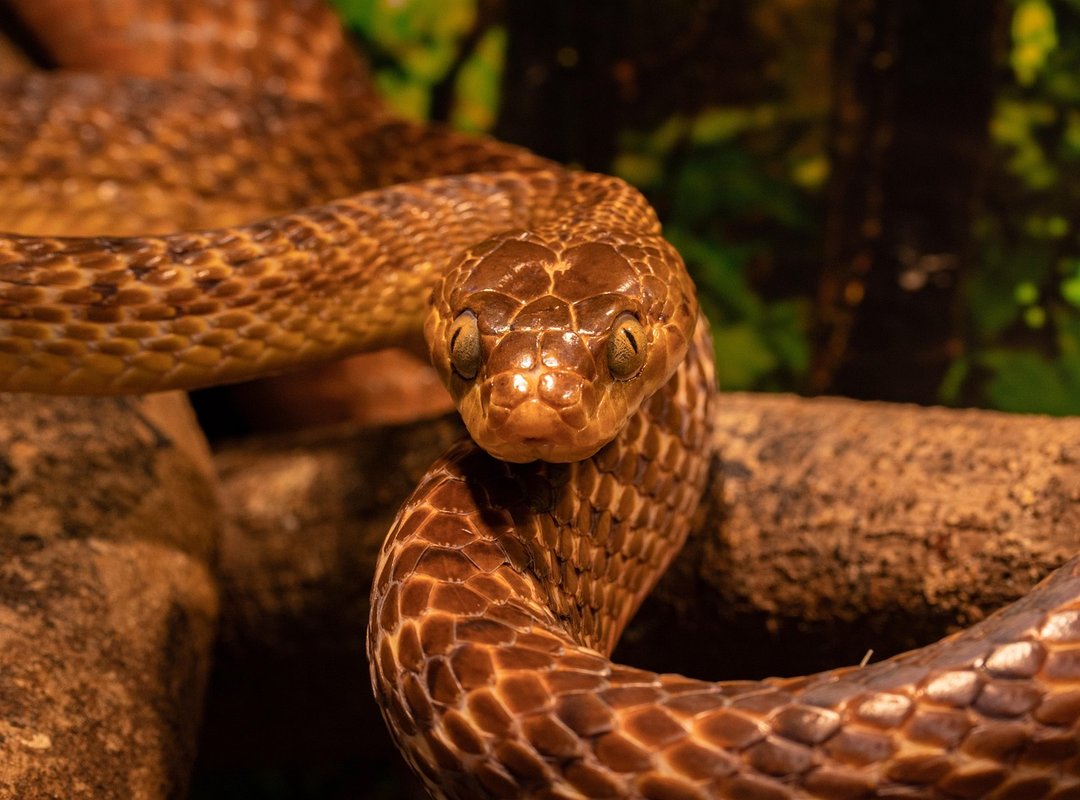
Healthy snake poop is usually firm and brown, with a white or yellow urate cap. This means your snake is digesting food well and staying hydrated.
Unhealthy snake poop can be runny, discolored, or have a foul smell. This could indicate parasites, infections, or digestive issues. If you notice these signs, it’s a red flag.
bentuk tahi ular should be consistent and familiar to you. Any sudden changes in color, consistency, or frequency are worth noting.
When to Seek Veterinary Help: If the poop is consistently runny, has blood, or if your snake shows other signs of distress like lethargy or loss of appetite, it’s time to see a vet. Don’t wait for things to get worse, and early intervention can make a big difference.
Keep an eye on your snake’s habits and health. Regular check-ins with a vet can also help catch issues before they become serious.
FAQs About Snake Poop
Q1: How often do snakes defecate?
Snakes don’t poop as frequently as other animals. It can vary, but generally, a snake will defecate every 1 to 2 weeks after eating.
Q2: Is it normal for snake poop to have a strong odor?
Yes, it’s pretty common for snake poop, or bentuk tahi ular, to have a strong smell. This is because their digestive system is different from mammals. The odor can be quite pungent, so make sure you clean it up promptly.
Q3: Can I use snake poop as fertilizer?
Some people do use snake poop as fertilizer. It’s rich in nutrients and can be beneficial for plants. However, it’s important to compost it first to break down any potential pathogens.
Q4: What should I do if my snake’s poop is abnormal?
If your snake’s poop looks unusual—like it’s too runny, has a strange color, or contains undigested food—it might be a sign of a health issue. It’s best to consult a vet. They can help diagnose and treat any underlying problems.
Examples and Case Studies
Let’s dive into a couple of real-world examples to see what healthy and problematic snake poop looks like.
Example 1: A case study of a ball python with healthy poop.
Imagine you have a ball python, and its poop is firm and well-formed. That’s a good sign. It means your snake is digesting its food properly and is in good health.
But some might argue that the appearance of poop isn’t a reliable indicator. They might say it can vary based on diet and other factors.
Sure, there are variables, but consistent, well-formed poop is generally a positive sign. It’s one of the first things I check when assessing a snake’s health.
Example 2: A case study of a corn snake with signs of digestive issues in its poop.
Now, let’s look at a corn snake. If you notice bentuk tahi ular that’s loose or has an unusual color, it could indicate digestive issues. This might be due to parasites, an improper diet, or even stress.
Some people might dismiss these signs, thinking it’s just a one-time thing. But if you see this consistently, it’s worth investigating. Ignoring these signs can lead to more serious health problems down the line.
So, while it’s important not to overreact, paying attention to your snake’s poop can give you valuable insights into their overall health.
Mastering the Art of Identifying Snake Poop
Understanding bentuk tahi ular is essential for snake owners. It helps in monitoring the health and well-being of your pet. Look for consistent, firm, and well-formed droppings.
Changes in color, consistency, or frequency can indicate potential health issues. Regular observation allows for early detection and treatment.
Stay vigilant and consult a vet if you notice any abnormalities.
 Lynnesa Rosselinda is a creative force in the gaming content space, known for her ability to translate complex gameplay mechanics into engaging, easy-to-follow insights. With a passion for storytelling and player-focused experiences, she contributes thoughtful perspectives on emerging trends, player strategies, and the evolving culture of competitive gaming.