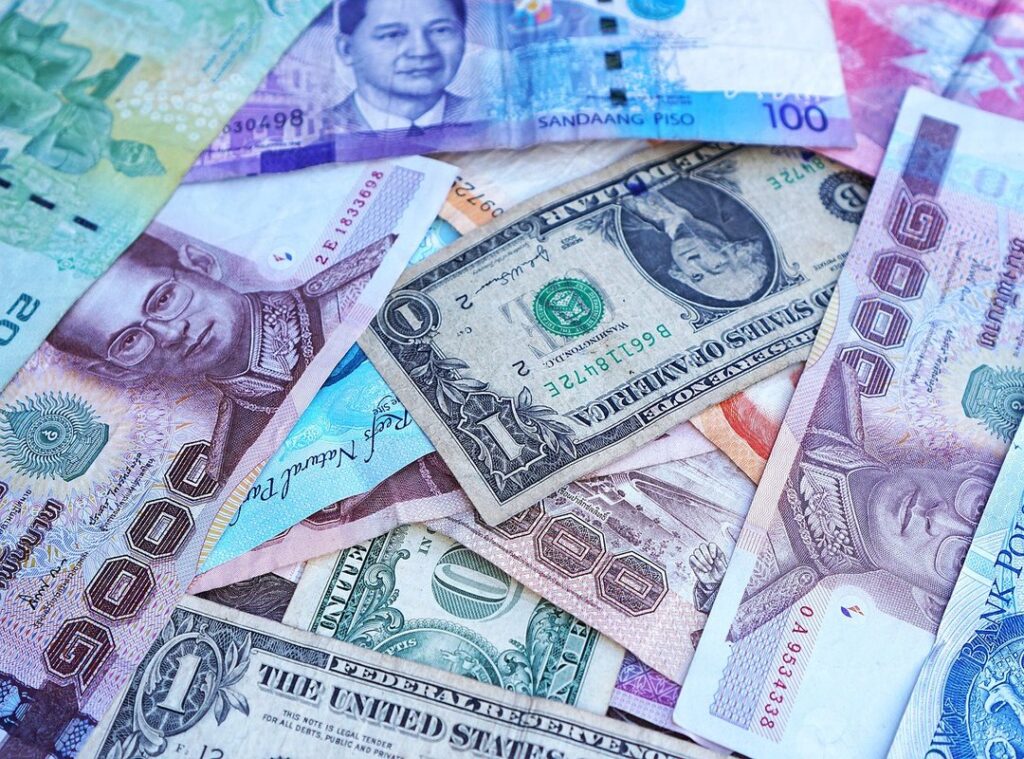
Right now, 13500 dolares a pesos mexicanos is about [current exchange rate] MXN. This number changes all the time, even by the hour. It’s called the ‘live’ or ‘mid-market’ rate.
So, why does this matter? Well, if you’re planning to convert your dollars to pesos, you want the best deal, right?
Let’s look at how different rates can affect the amount:
| USD to MXN Rate | Amount in MXN |
|---|---|
| 17.00 | 229,500.00 |
| 17.50 | 236,250.00 |
| 18.00 | 243,000.00 |
See the difference? A small change in the rate can mean a lot of money.
To get the most up-to-date rate, check reliable sources like Google Finance, XE.com, or your bank’s foreign exchange page. These sites update frequently and give you the latest info.
Knowing the current rate is just the first step. The real trick is getting the best actual rate when you make the conversion. That’s where you can save some serious cash.
Why the Dollar-to-Peso Exchange Rate Constantly Changes
The dollar-to-peso exchange rate is like a stock price. It goes up and down based on supply and demand. Simple, right?
Interest rates play a big role, and when the U.S. Federal Reserve or the Bank of Mexico (Banxico) changes interest rates, it affects how much people want to invest in each country.
Higher interest rates usually attract more investors, which can strengthen a currency.
Inflation is another key factor. If one country has higher inflation, its currency tends to weaken. For example, if inflation is high in Mexico, the peso might lose value against the dollar.
Trade and investment flows between the U.S. and Mexico also matter. Major economic news or policy changes can cause big shifts. Say there’s a new trade agreement.
That could make the peso stronger or weaker, depending on how it affects the economy.
Political stability and market sentiment are wild cards. If there’s political unrest in either country, it can spook investors and cause the currency to drop.
Think of it like a seesaw. When one economy is strong, its currency tends to be stronger too. If the U.S. economy is booming, the dollar might get stronger compared to the peso.
I often see people get confused by these fluctuations. They wonder why 13500 dolares a pesos mexicanos isn’t a fixed amount. The truth is, it’s always changing because the factors I mentioned are always in flux.
Understanding these dynamics helps you make better financial decisions. Whether you’re planning a trip or investing, knowing what drives the exchange rate can save you money.
Comparing Your Options: How to Exchange $13,500

When you need to exchange 13500 dolares a pesos mexicanos, it’s crucial to pick the right method. Let’s break down the most common options. 13500 dolares a
Traditional Banks and Wire Transfers, and these are familiar and secure. But they come with higher fees and less favorable exchange rates.
You might feel more comfortable, but your wallet won’t be as happy.
Online Money Transfer Services, and think of platforms like Wise or Remitly. They offer better rates and lower fees.
Plus, they’re pretty transparent about their costs.
The setup process can be a bit of a hassle, and there are transfer limits.
Still, for large amounts, they’re often the best bet.
Currency Exchange Bureaus.
You’ll find these at airports or in physical locations.
Stay away from them for large sums.
The exchange rates are terrible, and the fees are sky-high.
It’s just not worth it.
Withdrawing from a Mexican ATM with a US Debit Card.
This is fine for small amounts.
For 13500 dolares a pesos mexicanos, it’s impractical.
Daily withdrawal limits and multiple fees make it a risky and time-consuming option.
| Method | Speed | Cost (Fees + Rate) | Best Use Case |
|---|---|---|---|
| Traditional Banks | Moderate | High | Small, infrequent transfers |
| Online Services | Fast | Low | Large, frequent transfers |
| Currency Bureaus | Instant | Very High | Emergency, small amounts |
| ATM Withdrawals | Instant | High | Small, immediate needs |
In the end, it’s all about finding the balance between speed, cost, and convenience. For 13500 dolares a pesos mexicanos, online money transfer services usually offer the best value.
How to Avoid Hidden Fees and Get the Best Possible Rate
When you’re looking to convert or transfer money, it’s crucial to understand the mid-market rate. This is the real exchange rate that banks use to trade with each other, and it’s the rate you see on Google.
The spread is the difference between the mid-market rate and the rate a service offers you. It’s a hidden fee, and it can really add up.
Be wary of services that advertise ‘zero fees’ or ‘0% commission.’ They often build their profit into a poor exchange rate, which means a wider spread.
Always compare the final amount the recipient will receive in pesos, not just the advertised fee. For example, if you’re converting 13500 dolares a pesos mexicanos, check the total amount in pesos.
Use an online comparison tool to get this right. It’s a practical way to ensure you’re getting the best deal.
Also, don’t forget to check for both transfer fees (a flat or percentage-based fee) and the exchange rate margin before committing to a service. This will help you avoid any nasty surprises.
A Smart Checklist for Your Currency Exchange
- Verify the current mid-market rate on a trusted financial site to establish a baseline.
- Compare at least two different services (e.g., your bank vs. an online platform) to see the total cost.
- Calculate the final amount in pesos you will receive after all fees and the exchange rate spread are applied.
- For a large amount like $13,500, confirm any daily or per-transaction transfer limits with your chosen service.
A few minutes of research can save hundreds of dollars on a transfer of this size. This empowers you to make a confident financial decision.
 Lynnesa Rosselinda is a creative force in the gaming content space, known for her ability to translate complex gameplay mechanics into engaging, easy-to-follow insights. With a passion for storytelling and player-focused experiences, she contributes thoughtful perspectives on emerging trends, player strategies, and the evolving culture of competitive gaming.