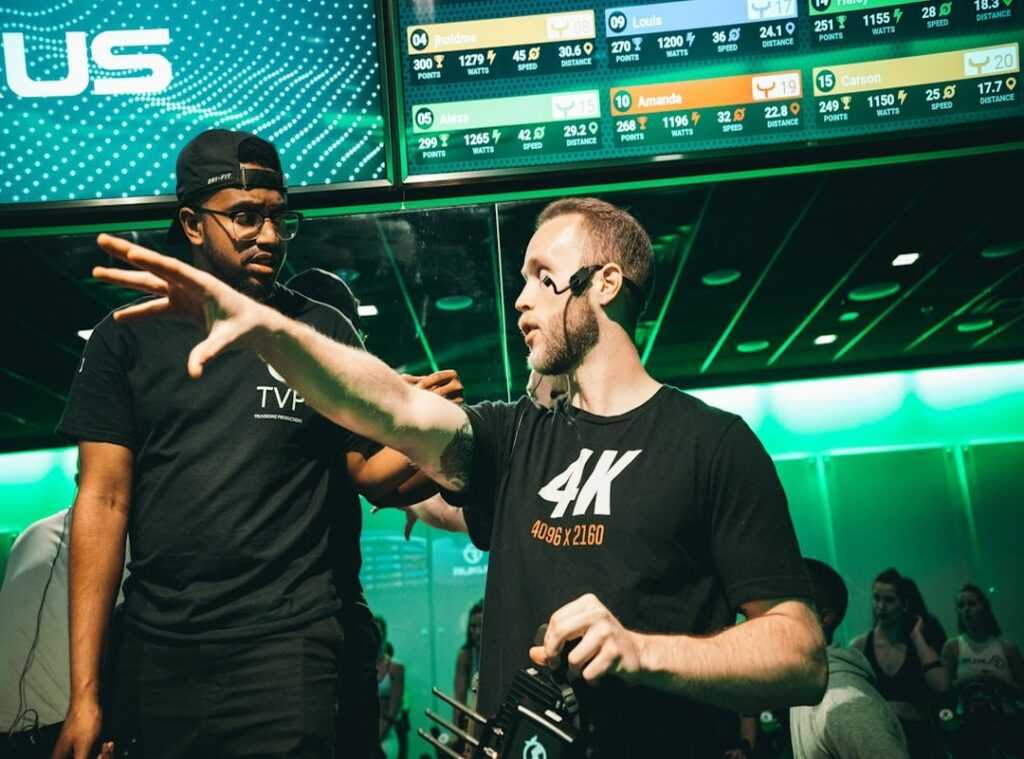
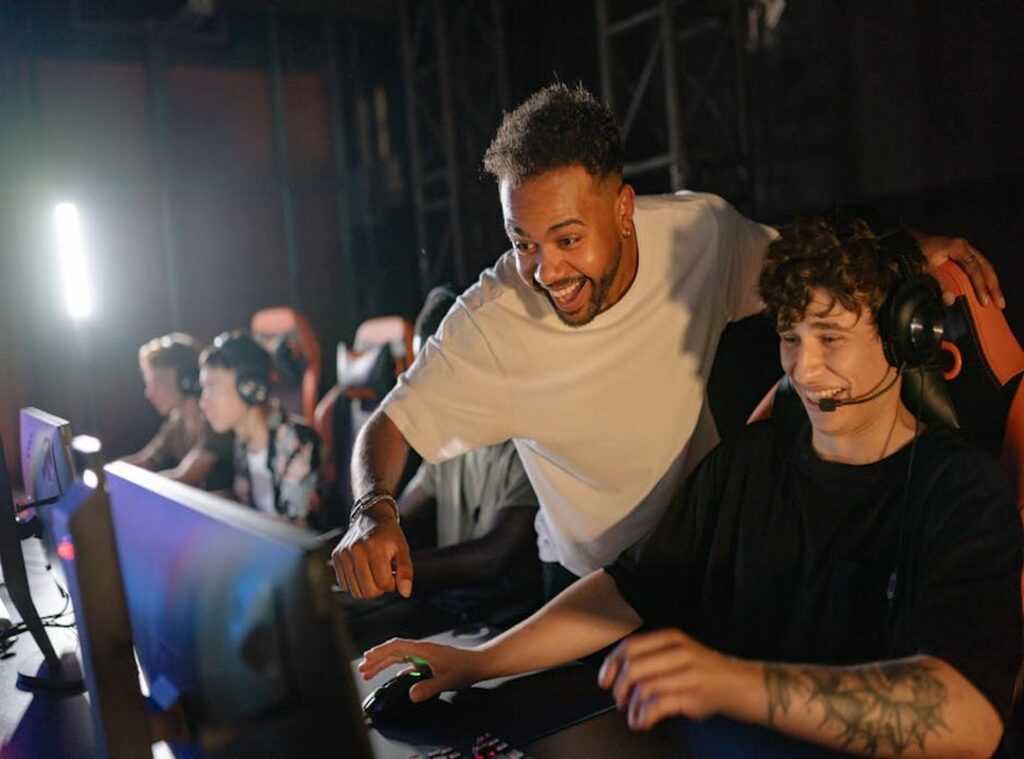
Hitting a plateau in esports isn’t just frustrating (it’s) maddening. Raw skill alone won’t cut it forever. What truly makes the difference is the quality of strategic and mental conversations.
I’ve spent years analyzing competitive gameplay and dissecting tournament-winning strategies. This isn’t just theory; it’s hard-earned insight. Behind-the-scenes coaching discussions often hold the key to transforming talent into champions.
Curious about what top players talk about with their coaches? You’re in the right place. This article promises a clear blueprint for structuring those key conversations.
You’ll get real insight into esports coaches interviews. Ready to raise your game?
Beyond the Basics: Real Talk on Esports Coaching
When you hear “esports coaching,” do you picture someone barking orders during a match? That’s not what it is. An esports coaching discussion is far more subtle.
It’s not just about throwing tips around. It’s a dialogue, a back-and-forth that involves analysis, goal-setting, and feedback. Think of it like a film review session for a sports team.
Everyone sits down, watches the footage, and talks plan.
Next, skill development. It’s about spotting what’s not working and fixing it. Finally, mental fortitude.
Now, let’s break this down. Strategic alignment is the first pillar. You can’t have the team running in different directions, right?
You need resilience and focus to win. It’s all interconnected.
Esports coaches interviews often reveal this collaborative nature. It’s not a lecture. It’s a conversation.
You know, like those deep dives into tactics and strategies in “lessons esports champions” here.
In the end, a real coaching discussion is a two-way street. It’s not just about telling players what to do. It’s about listening, understanding, and building a team that’s mentally and strategically ready to win.
Sounds like something worth exploring, doesn’t it?
From Chaos to Clarity: Structuring Coaching Discussions
We all want our coaching sessions to pack a punch, right? Diving straight in without a plan spells disaster (trust me, I’ve been there). So let’s start with the prep.
Before the session, set a clear agenda. It’s key for both the coach and players to know what they’re diving into. Imagine walking into a room and saying, “Today we’re only focusing on our early-game economy management.” Everyone’s on the same page from the get-go.
Now, during the session, the structure is your best friend. Start with a player self-assessment. Let them pick their own faults.
Then, smoothly transition to the coach’s observations. And here’s the kicker: collaborate to identify one or two key takeaways. This isn’t just a critique fest (it’s) about progress.
Agree on specific, measurable practice goals. Like, “Next week, aim for a 10% improvement in your early-game plan.”
Criticism can sting, can’t it? Enter the ‘sandwich method.’ It’s genius because you start with a positive observation. “Your teamwork coordination was top-notch.” Then, deliver the critique, “However, your solo plays need some work.” Finally, wrap up with a forward-looking statement: “Keep pushing, and let’s see those solo plays improve by next session.”
After the session wraps, don’t just leave it hanging. Summarize action items. This ensures the discussion isn’t just talk but translates to real improvement in-game.
It’s like handing them a roadmap instead of just directions.
If you’re curious about building mental toughness too, check out more on mental resilience competitive gaming. Remember, clarity in coaching can make all the difference. And if you’re in esports coaches interviews, this system could be your secret weapon.
It’s all about cutting through the noise and making every moment count.
Communication Breakdowns: Common Mistakes to Sidestep in Coaching
Ever sat through a coaching session that felt like a never-ending lecture? That’s the monologue mistake right there. Coaches, listen up.
Dialogue beats monologue every time. Got it?
Now, let’s talk negativity. Constantly pointing out errors? It kills confidence.
Sure, critique is part of the game, but remember to highlight what went right too. It builds confidence and reinforces good habits.
Vague feedback is another killer. Telling someone to “play better” is like shouting into the void. Instead, be specific: “Your crosshair placement during site entries is too low.
Let’s fix that.” See the difference? It’s all about clarity.
Ignoring the ‘why’ is a rookie error. Just pointing out mistakes? It’s not enough.
Dive deeper. Figure out why they happened. In esports, understanding the root cause changes everything.
This is what separates good from great coaching.
And here’s a pro tip: watch some esports coaches interviews. They spill the beans on what really works. It’s eye-opening (and a little humbling).
Avoid these pitfalls, and you’re on your way to becoming the coach players need. Sounds simple, right? Well, it is if you pay attention.
Start Winning by Talking Right
The difference between good and great in esports isn’t skill. It’s talking with purpose. Players and teams hit a wall when their chats go nowhere.
Structured communication builds trust, clarity, and a clear path to improving every aspect of gameplay. Trust me, it works. This isn’t just theory.
It’s practice.
Take one principle from this guide. Set an agenda before your next VOD review. Apply it.
See for yourself. The path to better gameplay starts with a better conversation. Ready to move forward?
Dive into esports coaches interviews. Get takeaways. Start winning more.
 Lynnesa Rosselinda is a creative force in the gaming content space, known for her ability to translate complex gameplay mechanics into engaging, easy-to-follow insights. With a passion for storytelling and player-focused experiences, she contributes thoughtful perspectives on emerging trends, player strategies, and the evolving culture of competitive gaming.